Impact of Mission era
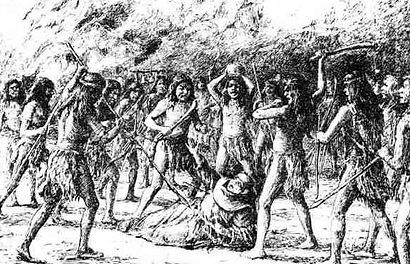
The Chumash tribe's response to the mission system was the Chumash Revolt of 1824, one of the largest Native uprisings in California history. The revolt began at Mission Santa Inés after a Chumash man was beaten by a soldier which sparked widespread anger over decades of mistreatment, forced labor, and cultural suppression. Chumash people from Missions Santa Inés, La Purísima, and Santa Barbara coordinated large scale attacks, setting parts of the missions on fire, seizing weapons, and briefly taking control of certain mission grounds. Although Spanish and Mexican forces eventually regained control the revolt showed the frustration the Chumash people faced and their determination to resist the oppressive mission system. It remains a powerful event in their history that the Chumash were not only victims but also active defenders of their freedom and identity.

During mission era there was a widespread of smallpox and other European diseases among the Chumash population. Before Spanish arrival the Chumash had lived for thousands of years with no exposure to foreign illnesses so they had no immunity against these deadly infections. Within the crowded mission compounds where hundreds of Indigenous people that lived, worked, and slept in close quarters causing these diseases to spread quickly. Smallpox outbreaks in the late 1700s and early 1800s killed large numbers of Chumash people, smallpox was wiping out entire families and weakening cultural continuity. Historians estimate that the Chumash population declined by as much as 80% during the mission period showing these disease alone had catastrophic impacts on their society.

The mission era also caused severe loss of traditional culture and knowledge. Mission priests banned Chumash ceremonies, spiritual practices, and traditional leadership structures. Children raised inside mission walls grew up speaking Spanish, practicing Christianity, and learning European culture and way of life rather than the skills and stories passed down through generations. Important cultural practices such as making tomols (plank canoes), traditional healing methods, and sacred dances were discouraged or forbidden. These Social structures within the missions broke down most of their traditional ways of life. Over time many Chumash people were separated from their ancestral lands which played a central role in spiritual beliefs and cultural identity. This systematic suppression created long lasting cultural loss that extended beyond the mission era. The Spanish system of punishment whippings, confinement, and forced labor created a climate of fear that eroded community stability. Even when the missions were eventually less important in society in the 1830s, much of the damage to Chumash society had already been done, with major cultural pillars weakened or lost entirely.


Despite these hardships, the Chumash people still trive today and continue to rebuild their culture, several Chumash groups including the Santa Ynez Band of Chumash Indians work actively to preserve their language, revive traditional crafts, and teach cultural history to younger generations. Tribal members are restoring traditional practices such as canoe building, basket weaving, and ceremonial gatherings. They also advocate for land protection, sacred site preservation, and recognition of historical injustices. While the mission system caused immense suffering and long-lasting disruption, the modern Chumash community remains resilient, working to reclaim their cultural identity and educate spread awareness to the public about their history and survival.